We use cookies to make this site work. We'd also like to set optional cookies so we can understand how the site is used and improve it. We will not set optional cookies unless you accept them. You can change your choice at any time from the Cookie settings link in the footer.
Strictly necessary cookies
These cookies are required for the site to work. They store your cookie preferences and keep your session secure. They are exempt from consent under PECR Regulation 6(4) because they are essential to deliver the service you have requested.
Optional cookies
Optional cookies help us understand how the site is used and provide additional features such as analytics, accessibility tools and translation. We will only set them if you accept.
Blog 10: What do I do to Lose Weight?
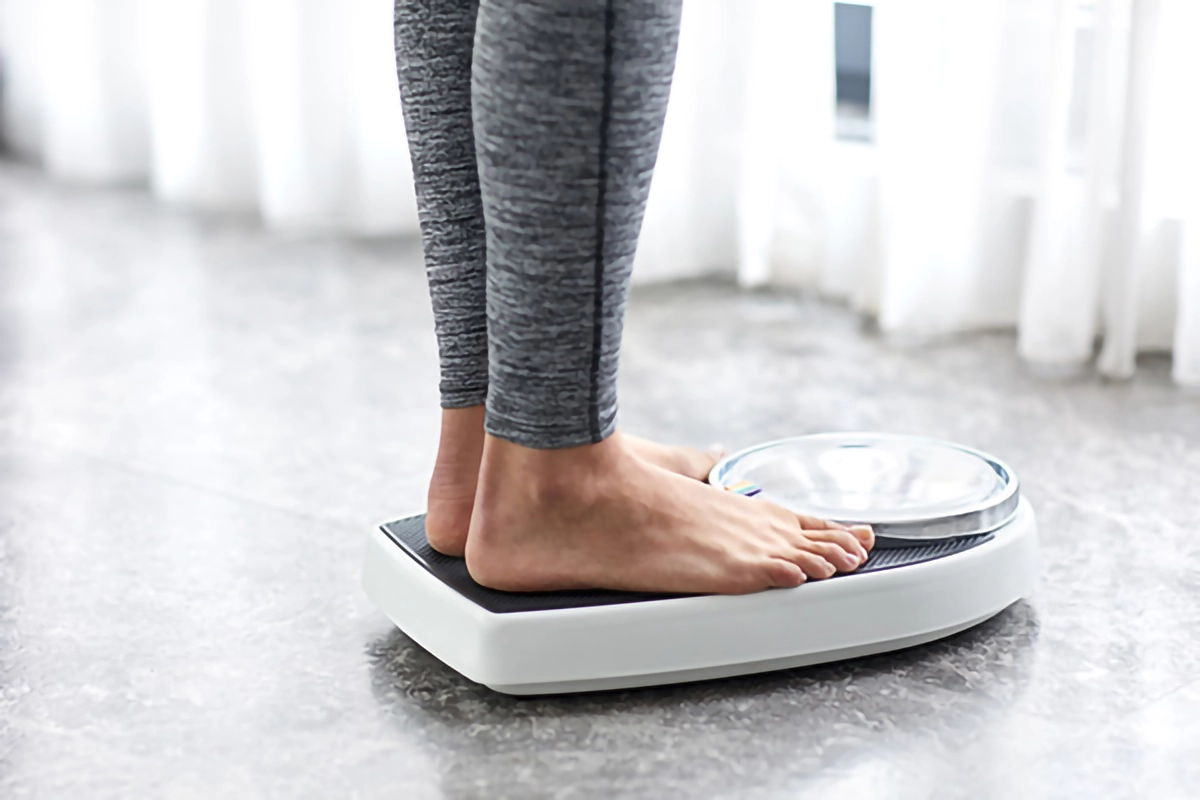
Weight loss can often feel like a challenge.
We often have busy lifestyles which makes it more challenging to maintain a healthy diet.
Many people find themselves juggling work, family commitments, and social activities, which can lead to poor food choices and limited time for meal preparation. The temptation of convenient, high-calorie options is ever-present, making the journey toward weight loss seem daunting and overwhelming.
At Grand Union Health Centre, our goal is to support you. Find the best path to achieving your weight loss goals and prioritise your overall health and well-being.
Popular Diets for Weight Loss
There is no one-size-fits-all solution for weight loss diets and their effectiveness can vary greatly depending on individual factors. Everybody is unique. A diet that works well for one individual, might not work for another.
The Psychology of Weight Loss
Embarking on a weight loss journey requires not only dietary changes, but also a compassionate approach to mindset, goal-setting, and stress management. By fostering a positive internal dialogue, setting realistic goals, and effectively managing stress, individuals can navigate the complexities of weight loss with greater ease.
The Importance of Mindset
A positive mindset plays a crucial role in the weight loss journey. Research indicates that self-compassion and positive self-talk can significantly influence one’s ability to lose weight and maintain healthy habits. For instance, a study found that individuals who practise self-compassion are less likely to engage in emotional eating and more likely to adopt healthier behaviours. This highlights the power of our inner dialogue; replacing negative thoughts like “I’ll never lose this weight” with affirmations such as “I am capable of making healthy choices” can foster a more supportive mental environment for change.
Setting Realistic Goals
Setting achievable and sustainable goals is essential to avoid frustration and setbacks. Research suggests that individuals who set specific and attainable goals are more likely to succeed in their weight loss efforts. A systematic review indicated that goal-setting can significantly enhance motivation and behaviour change, particularly when goals are challenging yet realistic. For example, instead of aiming to lose a large amount of weight in a short time, consider setting a goal to lose 1-2 pounds per week. This gradual approach not only makes the process more manageable but also helps to establish lasting habits.

The Role of Nutrition in Weight Loss
In the UK, common dietary challenges include the prevalence of high-calorie takeaways and processed foods. To overcome these obstacles, focus on preparing meals at home using fresh, whole ingredients.
The Importance of a Balanced Diet
A balanced diet is the foundation of a healthy lifestyle and an effective weight loss plan. It should consist of a variety of nutrient-dense foods, including:
Fruits and vegetables
Rich in fibre, vitamins, and minerals, fruits and vegetables help you feel full while providing essential nutrients. A study published in the Journal of the American College of Nutrition found that increasing fruit and vegetable intake can lead to significant weight loss and reduced risk of chronic diseases.
Whole grains
Whole grains, such as brown rice, quinoa, and whole wheat bread, are high in fibre and can help regulate blood sugar levels. A systematic review suggests that whole grain consumption is associated with lower body weight and reduced risk of obesity.
Lean proteins
Lean proteins, like chicken, fish, and legumes, help build and maintain muscle mass while promoting feelings of fullness..
Healthy fats
Unsaturated fats found in foods like avocados, nuts, and olive oil are essential for overall health and can help you feel satisfied. A randomised controlled trial showed that a Mediterranean diet rich in healthy fats can lead to significant weight loss and reduced risk of cardiovascular disease.
Portion Control and Mindful Eating
Portion control is crucial for weight management, as it helps you maintain a calorie deficit without feeling deprived. Strategies for mindful eating include using smaller plates, eating slowly, and being aware of hunger and fullness cues. A study found that portion control education can lead to significant reductions in calorie intake and body weight.
The Importance of Hydration
Staying hydrated is essential for weight loss and overall health. Water aids in digestion, helps regulate body temperature, and can even boost metabolism. A study suggests that drinking water can increase energy expenditure and promote weight loss.
The Importance of Physical Activity
In the UK, where sedentary lifestyles and a lack of physical activity have become increasingly prevalent, it is crucial to emphasise the importance of regular exercise. While the barriers to an active lifestyle can seem daunting, especially for those who have not been physically active in a long time, the benefits of incorporating exercise into one’s daily routine are numerous and far-reaching.
Finding Joy in Movement
One of the keys to maintaining a physically active lifestyle is finding activities that you genuinely enjoy. Whether it’s brisk walking, dancing, swimming, cycling or even gardening, engaging in physical activities that bring you pleasure makes it more likely that you will stick with them in the long run. Studies have found that individuals who participated in activities they found enjoyable were more likely to maintain their exercise routines over time.
Remember, any amount of physical activity is better than none, and the more you do, the greater the rewards will be.
The Importance of Consistency
Achieving long-term weight loss requires gradual, sustainable changes rather than drastic measures. Research indicates that individuals who adopt consistent, moderate changes to their diet and exercise routines are more successful in maintaining weight loss over time. A study published in the American Journal of Clinical Nutrition found that participants who focused on making small, manageable changes, such as reducing portion sizes and increasing physical activity, were more likely to achieve and maintain their weight loss goals compared to those who attempted extreme diets.
Setting realistic goals is crucial. For instance, aiming to lose 1-2 pounds (approximately 0.5-1 kg) per week is a sustainable target that encourages healthy habits without the pressure of rapid results. This approach not only fosters a positive relationship with food but also helps individuals develop lifelong healthy eating patterns.
Conclusion
Weight loss is a personal journey that requires a balanced approach. Combining healthy eating, regular exercise, and a positive mindset.
You can book an appointment with GP at hand doctor any time
Published: Dec 9, 2025