We use cookies to help provide you with the best possible online experience.
By using this site, you agree that we may store and access cookies on your device. Cookie policy.
Cookie settings.
Functional Cookies
Functional Cookies are enabled by default at all times so that we can save your preferences for cookie settings and ensure site works and delivers best experience.
3rd Party Cookies
This website uses Google Analytics to collect anonymous information such as the number of visitors to the site, and the most popular pages.
Keeping this cookie enabled helps us to improve our website.
Blog 13: RSV
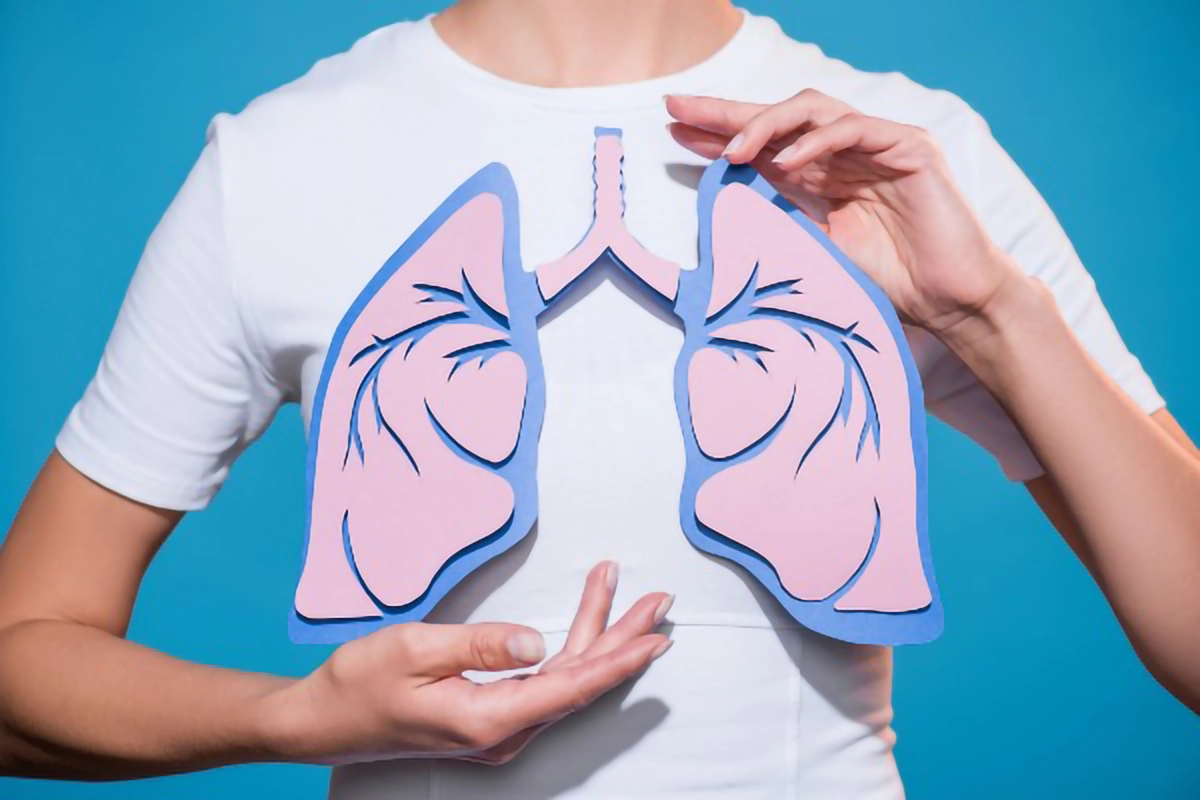
RSV is a common virus that can cause serious respiratory illness leading to thousands of hospitalisations each year.
This time of year is known unofficially by some as RSV season as it peaks during the Winter. Thankfully, in 2023 a vaccine was approved to help prevent the virus.
What is RSV, and who is at risk?
Respiratory Syncytial Virus is highly contagious and spreads through respiratory droplets from coughs, sneezes, or contact with contaminated surfaces. While most people recover in a week or two, it can pose a serious threat to adults aged 60 years and older, infants under six months of age and individuals with chronic health conditions such as asthma or heart disease.
How does the RSV vaccine work?
RSV vaccine has been approved for older adults, and for pregnant women to protect their newborns and is widely used by the NHS. The vaccine works by training the immune system to recognise and combat RSV, significantly reducing the risk of severe illness and hospitalisation.
For older adults, it lowers the chance of serious lung infections. For pregnant women, it helps safeguard newborns during their first six months of life when they are most vulnerable to RSV.
Administered as a single-dose jab, RSV vaccine provides protection for up to two years. Side effects can include mild fever or soreness at the injection site, but these effects are typically short-lived. The vaccine is offered on the NHS to senior adults aged 75-80
Published: Jan 20, 2026